How Does a Mobile Incinerator Compare to a Medical Waste Incinerator?
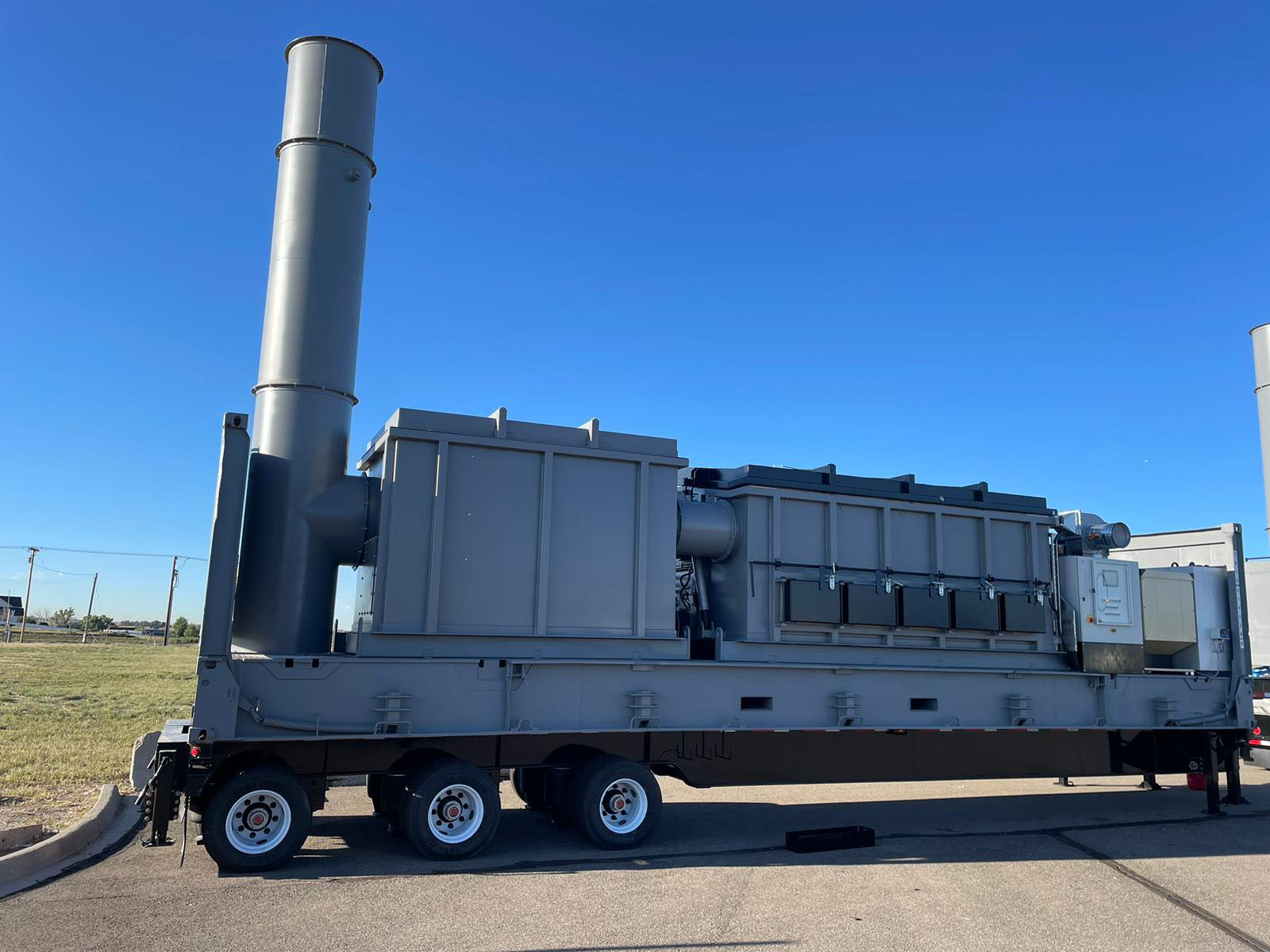
Waste disposal is a major issue for hospitals, labs and emergency responders. The decision of a mobile incinerator vs. medical waste incinerator is based on many factors; including volume of waste, location, regulations and the operational need. Both are high temperature combustion systems for the safe treatment of hazardous waste, but they vary greatly in their design, their capabilities, and the applications they address.
Definition and basic functionality
A mobile incinerator is a transportable waste treatment system built on a skid, trailer or container. It is specifically designed for field installation in remote, temporary or extension of existing facilities. A healthcare building or centralised waste treatment plant, but not a takes in designed to be a system you can move around. Both the systems have controlled combustion for volume reduction of waste and pathogen kill but different in terms of its design and scope of operation.
Mobility and deployment flexibility
The most obvious advantage of a mobile incinerator is that it can be moved. It is portable for transport to locations such as disaster areas, rural clinics, battlefields, or temporary medical camps. For a stationary medical waste incinerator it offers less flexibility but is appropriate for burning large volumes of waste masses 24 hours per day at one location. Stable infrastructure requires devices to be permanently installed in place.
Capacity and throughput differences
Mobile incineration units are usually intended for small or medium amounts of waste. They work well with on site waste streams needing to be disposed of on demand. Medical waste incinerators usually have a larger capacity, and are used in hospitals or centralized treatment centres with continuous made of medical waste every day. Capacity A large driver in the choice of system to best serve operational needs is capacity.
Emission control and regulatory compliance
Most medical waste incinerators are equipped with sophisticated air pollution control devices to comply with stringent environmental standards. These can even be further secondary combustion chambers, scrubbers, and or filters. Portable incinerators may have streamlined smoke control for ease of portability, but newer models can be compliant. There seems to be a push and pull between fixed and mobile incineration systems, which can partially hinge on regulatory based selection criteria.
Installation, operation, and maintenance
Mobile incinerators are portable and need very little civil preparation work for the installation. This cuts down on setup time and overhead. Hospital waste incinerators require installation, power service hook ups, and in house staff to run the machine. Yet, stationary systems frequently offer enhanced levels of automation and operation stability over the long term.
Cost and long term considerations
Cost wise, mobile incinerators usually represent lower capital investment but potentially a higher unit operating cost per unit of waste because of the smaller nature of their operation. Medical waste incinerators are more expensive to purchase upfront, but have a lower cost per use for those who generate high volumes. Total lifecycle cost should be considered in comparing alternatives.
Conclusion:
Typically used in portable or temporary waste management situations, this consultant has chosen the mobile incinerator for flexibility and can be easily moved from one site to another when required, appropriate for small to medium waste volumes. A model of medical clinical waste incinerator on the other hand offers a superior capacity with some advanced emission control when it comes to permanently located facilities. The volume of waste, location it makes sense to burn it; what compliance requirements are necessary and long term costs falls into the picture when selecting the best most responsible source for ignition.
Comments
Post a Comment